
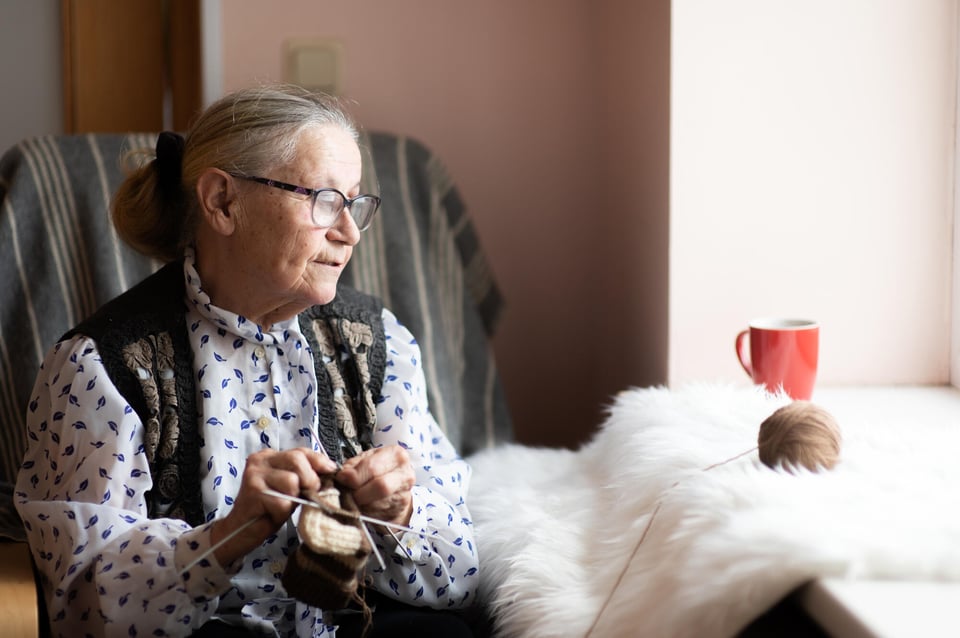
Memory care programs help seniors stay engaged by combining structured activities, personalized care, and emotional support that stimulate the mind and nurture independence. These programs give older adults facing memory loss the chance to reconnect with life's meaningful moments every day.
One of the most difficult decisions families in Orland Park, IL, face is knowing when it's time for professional care.
When memory loss begins to interfere with safety, communication, or daily living, it may be time to consider a specialized care setting. Memory care programs are designed to provide comfort, stability, and purpose for seniors experiencing Alzheimer's disease or other forms of dementia.
These programs do much more than help with daily chores. They create steady routines, provide caring support, and include memory engagement activities that keep residents active and involved. Every part of the day is designed to help seniors feel safe, valued, and connected to the people around them.
Families often notice that once their loved ones enter a supportive community, stress levels drop, participation increases, and emotional well-being improves.
Who Is Financially Responsible for a Person with Dementia?
Paying for dementia care can feel confusing at first, but there are several options available.
Usually, the person receiving care uses their savings, retirement funds, or insurance to cover costs. Some families also help by sharing expenses. Applying for programs like veterans' benefits or long-term care insurance can also help.
What matters most is finding care that gives real value: a community that helps your loved one stay active and supported. A good program provides not only medical support but also emotional comfort and mental stimulation.
How Memory Care Programs Encourage Daily Engagement
Staying active is one of the best ways for seniors with memory challenges to stay happy and healthy. Memory care programs keep residents involved through fun and simple daily routines. These include things like art, music, light exercise, and puzzles that keep the brain working and the spirit strong.
Every activity has a purpose. For example, listening to music from the past can bring back memories. Gardening or cooking can spark a sense of pride and accomplishment. These memory engagement activities help residents stay connected with others and feel confident in what they can still do.
Even small moments, like sharing a laugh with a caregiver or finishing a project, can boost mood and reduce confusion. Over time, daily engagement helps seniors feel more like themselves again, turning ordinary days into moments of connection.
The Importance of Personalized Memory Plans
Every senior's journey with dementia is different, which is why personalized memory plans are vital to quality care. Caregivers create individualized plans that consider each person's background, preferences, and cognitive abilities.
For example, a resident who once loved gardening might participate in planting flowers or watering plants as part of their daily routine. Another who enjoys reading might take part in small book discussions or story circles. These plans help residents feel valued, understood, and connected to their identity.
Personalized memory plans also serve as a roadmap for caregivers, ensuring every interaction is thoughtful and supportive. They promote consistency, comfort, and familiarity, which are elements essential to the well-being of those living with dementia or Alzheimer's disease.
Strengthening Bonds Through Alzheimer's Support
Alzheimer's support plays a critical role in helping both residents and their families navigate the emotional challenges of memory loss. Trained professionals provide understanding, reassurance, and evidence-based approaches to reduce stress and confusion.
Within memory care programs, Alzheimer's support includes strategies like redirecting conversations, maintaining calm tones, and offering gentle guidance during moments of disorientation. These techniques preserve dignity and promote emotional security.
Families also benefit from caregiver education and community resources that teach how to communicate effectively with loved ones. Through this shared understanding, everyone involved gains confidence and peace of mind.
Access to Dementia Resources for Families
Caring for a loved one with dementia can be hard, especially when you don't know what to expect. That's why having access to good dementia resources is so important. These tools give families the knowledge and support they need to stay involved and feel confident.
At Discovery Commons, families can attend meetings, workshops, and support groups. Each of these can explain how dementia works and how to handle common challenges. Staff members are always ready to answer questions and share helpful tips.
These resources also help families understand how to talk with their loved ones and how to create positive moments together. When families learn more about dementia, they can connect better and build stronger relationships.
Frequently Asked Questions
How Are Memory Care Programs Different from Assisted Living?
Memory care programs specialize in residents with dementia or Alzheimer's, offering secure environments, specialized staff training, and structured activities.
What Are Memory Engagement Activities, and Why Are They Important?
Memory engagement activities are designed to stimulate the mind and spark joy. They include music therapy, arts and crafts, gentle exercise, and reminiscence groups.
How Do Personalized Memory Plans Improve Care?
Personalized memory plans ensure that each resident's care reflects their personal history and interests. This reduces confusion, enhances comfort, and strengthens the bond between residents and caregivers.
What Kind of Cognitive Care Is Provided in Memory Care Programs?
Cognitive care often includes exercises to enhance memory, problem-solving, and attention. These can involve puzzles, sensory therapies, and storytelling, all designed to keep the brain active and engaged.
How Do Families Stay Involved?
Families can visit regularly, participate in special events, and stay informed through meetings or progress updates. Many programs also offer dementia resources to help families better understand the care process.
Discover the Best in Memory Care at Discovery Commons
Memory care programs give seniors a chance to live with comfort, safety, and purpose.
Through personalized memory plans and meaningful activities, residents can enjoy brighter days filled with connections. Families also gain peace of mind knowing their loved ones receive compassionate Alzheimer's support.
At Discovery Commons in Orland Park, IL, seniors benefit from more than just excellent care; they become part of a warm, welcoming community.
Orland Park offers beautiful surroundings, friendly neighbors, and plenty of local charm that make every day enjoyable. It's a community where seniors can feel at home while receiving the thoughtful support they need.
Contact Discovery Commons Orland Park today to make finding a path for your family much easier.